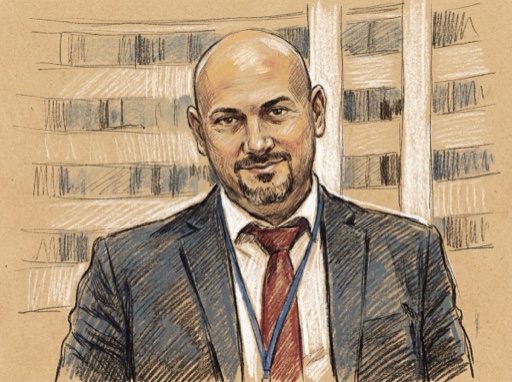
Ali Hashem
@Alihashem · Perský záliv a arabský svět
Ali Hashem je novinář serveru Amwaj a stanice Al Jazeera pokrývající Írán a Hizballáh.
Aktivace Hormuzského průlivu dala Íráncům bezprecedentní kartu. Hormuz nesl na svých bedrech polovinu války díky své váze v oblasti ekonomiky a energetické bezpečnosti. Psal jsem o tom, jak Írán přeskupil své tři vrstvy obrany poté, co se zhroutila stará rovnováha odstrašování. Můj nový článek pro @AljadahMedia
Přeloženo z jazyka arabštinaMůj nejnovější text pro @ForeignPolicy: jak válka změnila íránskou odstrašovací politiku? Po desetiletí byla první obrannou linií Teheránu „osa odporu“, kdy Teherán vyzbrojoval spojence, aby udržel válku mimo samotné hranice Íránu. 7. říjen tuto logiku ukončil. To, co ji nahradí, začíná uvnitř samotných íránských hranic.
Přeloženo z jazyka angličtinaYesterday’s exchange confirms that Washington isn’t seeking a prolonged war with Iran. Trump wants a controlled siege, enough pressure to erode Iran’s leverage over the Strait without a full-blown campaign. The longer Iran stays locked in reaction mode, the weaker its bargaining chips become. Expect more rounds like this. Washington’s goal isn’t just safe passage through Hormuz, it’s normalising the wider regional order, for the Gulf states and beyond. As long as Iran plays by Washington’s rules of engagement, its options stay narrow. This is a no-war-no-peace equilibrium. It could easily outlast the midterms, and run into next year.
Six months ago, I wrote this for @ForeignPolicy: “Iran Is Becoming America’s Ukraine” The shift to an attritional war focused on energy infrastructure risks becoming a quagmire. My argument was that the danger isn’t a bigger war, but rather a longer one, and the real question wouldn’t be who strikes hardest, but who can endure longest, and how much strain the global system could absorb before it too became part of the conflict. Half a year later, what looked in March like a possible drift toward attrition has largely become one. The Ukraine comparison was never about geography or alliance, it was about the mechanics of a war that outlasts the assumptions that started it. Worth rereading with that in mind: https://t.co/5BDnlv12Jt
At least two people killed and several injured in the U.S. attack on the wedding in Sirik.
Several people are reported to have been injured after shrapnel from a U.S. attack struck a wedding ceremony in Sirik, southern Iran.
Worth flagging: this isn’t a new missile, the Khaybar Shekan has been used on several occasions before. What may be new is an upgrade to it over the past months, which would be significant if confirmed.
The U.S. warns its citizens in the region of potential flight cancellations, airspace closures, and travel disruptions, calling on Americans currently in the Middle East to exercise heightened vigilance.
A senior Iranian official told me the talks with Field Marshal Asim Munir were constructive, with useful ideas exchanged, though no messages were passed in either direction. The visit was aimed at reviving Pakistan’s role as a mediator between Iran and the U.S. https://t.co/jQMRzDKRRr
Iran’s FM spokesman @IRIMFA_SPOX confirms that Pakistani Field Marshal Asim Munir will travel to Tehran on Monday leading a high-ranking delegation. According to Esmail Baghaei, Munir will meet and hold talks with senior officials of the country.
According to my sources, the visit is meant to reactivate the mediation between the U.S. and Iran.
Highly informed sources told me that Field Marshal Asim Munir, Pakistan’s first Chief of Defence Forces, is expected to return to Tehran within the coming couple of days.
مقدمة كتاب أميركا وإيران… الرسائل والمدافع "هو أشبه بمسار قطارٍ تتوالى محطاته الثابتة. قد نختلف في تأويل قراءتها، لكن إحداثياتها الزمنية لا تتبدل. وما إن تكتمل دورة من دوراته، حتى تنطلق أخرى، حاملةً في طياتها أشباح الماضي." https://t.co/RvtcbXzd5E
من الكتب التي تصنع فرقا حقيقيا في فهم العلاقة الطويلة المتعرجة بين أميركا وإيران. قيمة هذا الكتاب في البحث الذي اجراه @JohnGhazvinian على مدى السنوات التي كتب فيها هذا المجلد الكبير نسبيا، فيه مادة أرشيفية مكتوبة بلغة قصصية تجعل من قراءته متعة حقيقية. قرأته بالإنكليزية عند صدوره، وأعدت قراءته بالعربية عندما فرغ الزميل المترجم منه، رحلة بين فصول متعاقبة وأحداث مفصلية تخبرنا أن ما بين أميركا وإيران ليس فقط انقلاب مصدق واحتجاز الرهائن وكونترا، انما تاريخ يعود إلى ثلاثة قرون. سأتشارك و إياكم أدناه نظرة لمقدمتي كناشر لهذا الكتاب كتبتها في الطريق لتغطية الحرب الأخيرة في إيران. يتبع…
A very difficult story to cover. Few months ago, we passed through Mansouri on our way to Naqoura without a second thought. Today, both are occupied by Israel. People from the area now stand at the closest point they can reach, looking across at their homes and lands. I stood with them, looking towards my own village, the closest I can get to my father’s grave. My report for Al Jazeera @AJEnglish
مهلة الستين يوماً في مذكرة التفاهم بين الولايات المتحدة وإيران وصلت إلى نهايتها، ماذا حدث؟ لا شيء حاسم حتى الآن. لا مفاوضات حقيقية، ولا عودة لحرب شاملة. قليل من الرسائل وقليل من الصواريخ وكثير من التوتير. يقول مسؤولون إيرانيون: لا يوجد وقف لإطلاق النار في مذكرة التفاهم، بل إنهاء للأعمال العدائية على جميع الجبهات، بما فيها لبنان، بعبارة اخرى نهاية الحرب كما كانت. الستون يومًا كانت تتعلق فقط بمفاوضات الاتفاق النهائي، لا شيء آخر. أما ترامب فهو حاسم بأنه لن يمدد "وقف النار" وكان سابقا اعلن انتهائه. بل ويطالب إيران بـ”رفع الراية البيضاء”، ويهدد بقصف عُمان بسبب مضيق هرمز. الواضح كما قلت سابقا أن هذه مذكرة "سوء تفاهم" لا مذكرة تفاهم، كيف يكون التفاهم وليس هناك اتفاق حتى الآن على ما تعنيه مذكرة التفاهم، وقف نار أم نهاية الحرب؟ وكيف يمكن أن نتوقع اتفاقهما على ما هو أكثر تعقيدًا؟ نجح الإيراني في جرّ الأميركي إلى فخ التفاوض على ما لا يمكن التفاوض عليه، هرمز بدل النووي، ونجح الأميركي في تجميد الحرب دون إنهائها، وفشل العالم في الخروج من أكبر أزمة منذ أزمة الصواريخ في كوبا التي كادت تشعل حربا نووية. البيّن الواضح أن الجميع يشتري الوقت لسبب يفوق في اهميته الاستمرار دون افق واضح. المنطقة اليوم رسميًا في منطقة "لا حرب ولا سلم"، في لحظة ترتفع أسهم المفاوضات وفي اخرى تنطلق الصواريخ، وكما غنّى يوما عمرو دياب "أنا رايح فين… أنا راجع ثاني."
U.S.-Iran memorandum’s 60-day window has expired. No real talks, no resumption of full scale war. A bit of messages and a bit of rockets. Iranian officials say: no ceasefire in the MoU, end of war on all fronts, including Lebanon. The 60 days was about final-deal talks, nothing else. Trump says he’s not extending it, demands Iran “raise the white flag,” threatens to bomb Oman over Hormuz. If both sides can’t agree on what the MoU is about, how can we expect them to agree on anything more complex? Region now officially in a “no war, no peace” zone. As Beckett put it: “I can’t go on, I’ll go on.” The impossibility of continuing, and, in the same breath, continuing anyway.
Související články
- Trump Says Renewed Iran Campaign Will Not Last Long
- Iranian Officials Say Four Killed, 50 Wounded at Wedding in U.S. Strike
- Trump Asked Munir to Press Iran Back to Talks Before Tehran Visit
- Egypt Urges Iran to Restore June U.S. Pact and Protect Gulf Shipping
- Iran Says Hormuz Transit Route Map Agreed With Oman as 60-Day Period Expires
- Trump Threatens to Bomb Oman if It Blocks U.S. Control of the Hormuz Strait
- U.S.-Iran War Memorandum Lapses Without a Deal as Tehran Denies Extension Talks
- Trump Says No Talks With Iran Are Under Way or Scheduled and Calls Hormuz Open