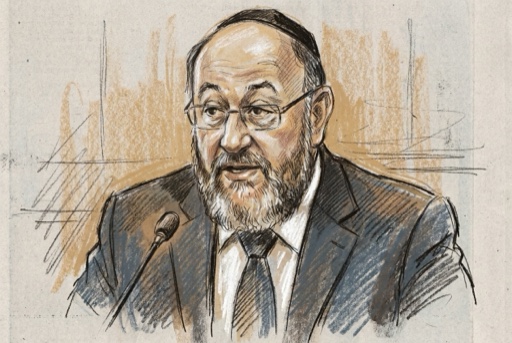
Ephraim Mirvis
@chiefrabbi · Vedení židovských organizací a sledování antisemitismu
Ephraim Mirvis je vrchní rabín Spojeného království.
Je to skutečně temný den pro britské Židy. Naše vláda se dnes rozhodla ignorovat hluboké obavy, které vyjádřilo tolik z nás. Oznámená opatření nejsou o mnoho víc než politickým máváním vlajkou na podporu lživé protiizraelské rétoriky a těch, kteří chovají nebezpečnou posedlost židovským státem. Tato opatření povedou pouze k posílení právě toho extremismu, proti němuž mají namířeno. V předvečer Roš ha-šana a v době, kdy je naše komunita kvůli vlně extremismu, která v posledních letech sílí, zranitelnější než kdy dřív, tyto sankce nijak nepřispívají k prosazení míru. Ani nikoho nečiní bezpečnějším — právě naopak. Politika gest tohoto druhu přispívá ke stále nepřátelštějšímu diskurzu o Izraeli a kumulativním účinkem takových represivních politik je další povzbuzení těch, doma i v zahraničí, kteří používají nenávist jako zbraň proti Židům.
Přeloženo z jazyka angličtinaI welcomed the opportunity on Friday to meet with the Foreign Secretary, the Rt Hon. Ed Miliband. While we share fervent hopes for a future of peace and security in the Middle East, I explained why I believe the UK Government’s intended sanctions will be counter-productive and even endanger such a vision of peace. I told the Foreign Secretary that many within the UK Jewish community will view such measures with deep dismay, at a time when the vilification of Jews, Judaism and the Jewish State has already reached unprecedented levels. The intended policy will not influence Israeli decision-making in the way the Government intends. Instead, it risks inflicting real harm across the region. Given the obvious challenges of defining and implementing such measures, there is a clear danger that they will spiral into a de facto boycott of trade with Israel more broadly, damaging the long-term relationship between our two countries and threatening the livelihoods of tens of thousands of Palestinian workers. These measures will also disproportionately affect British Jews because of our close religious, family, charitable and educational ties to Israel. Over recent years, we have seen repeatedly that when rhetoric towards Israel escalates, hostility towards Jews is never far behind. I strongly condemn the reprehensible violence perpetrated against Palestinians by a small number of extremists, yet the UK Government’s proposals will only embolden the tiny minority who support such criminality, while penalising countless others who abhor it. The stated justification for punishing an ally in this way, is Israel’s long-planned construction of homes in the E1 area. Yet successive peace efforts, from Oslo to Camp David and beyond, have envisaged a final agreement in which this area would remain under Israeli sovereignty. It is therefore difficult to escape the painful conclusion that domestic political considerations are driving foreign policy, the impact of which is negative both for prospects for peace in the Middle East and for the UK Jewish community.