Open parallel imports and reduce food-market concentration. Proposes lower income tax financed by taxes on products such as sugary drinks and disposable utensils.
Its six pillars call for a strong IDF and decisive action against enemies, a united Jerusalem as Israel's eternal capital, and stronger settlement and sovereignty across the land.
No withdrawal from Gaza's Yellow Line before Hamas disarms. Pursue Saudi normalization, prevent an Iranian nuclear weapon and build sovereign military AI capabilities.
On public security, create a PM-led cabinet against organized crime, coordinate ministries through a national project leader and strengthen an independent police force.
On 20 October 2026, Netanyahu backed drafting Haredi men who are not studying Torah, but did not commit to passing a draft law before the next government is sworn in.
Housing benefit of up to NIS 1 million for eligible active reservists, with one benefit per married couple; promises access within four years of eligibility certification.
Gives reservists' spouses and co-parents independent standing and direct rights, pays entitlements automatically from the call-up order and provides tiered daycare subsidies for ages 0 to 3.
Military service first, civilian service for others. Up to 3% of each annual cohort may receive one-year Torah-study deferrals, renewable under criteria; basic training is required.
Invest NIS 20 billion in reservists over three years. During a proposed four-year period of routine combat, cap service at 50 days a year and 150 over three years.
Establish civil partnerships while retaining religious marriage. Let each local authority decide on Shabbat public transport according to its community's character.
Most polling stations close at 22:00, and the ballots are counted.
Official results
The Central Elections Committee publishes the official results within eight days of election day. It published them on 4 November 2026.
First sitting
The new Knesset holds its first sitting within 14 days of election day. The 26th Knesset first sat on 10 November 2026.
The President's choice
Within seven days of the official results, the President consults the lists elected to the Knesset and gives one member who agrees the task of forming a government. On 8 November 2026 President Isaac Herzog gave the task to Gadi Eisenkot.
A new government
That member has 28 days, which the President may extend by up to 14 more. Eisenkot's first 28 days run until 6 December 2026. The government takes office once the Knesset expresses confidence in it.
Election day was Tuesday, 27 October 2026. Most polling stations were open from 7:00 to 22:00.
Why was the election held on 27 October 2026?
It was the regular date set by law, because the 25th Knesset was not dissolved early. Basic Law: The Knesset puts the vote on the third Tuesday of the Hebrew month of Cheshvan at the end of the Knesset's term, and the chairman of the Central Elections Committee confirmed the date in April 2023.
How many candidate lists were approved?
Candidate lists approved by the Central Elections Committee: 38. Lists that ran: 36; Blue and White and the Achi movement did not run.
How many seats are needed to form a government?
There is no fixed number in law: a new government takes office once it wins a vote of confidence in the Knesset, which needs more votes for it than against. A majority of the Knesset is 61 of the 120 seats, and every Israeli government so far has been a coalition of more than one party.
What is the electoral threshold?
A list must win at least 3.25% of the valid votes to enter the Knesset. In 2026 that meant 184,972 votes; in 2022, 154,855 votes.
Who can vote?
Israeli citizens who are 18 or older on election day and who, on 3 September 2026, were already citizens registered in the Population Registry as residents with an address. There is no sign-up: the Ministry of Interior drew the voters' register from the Population Registry on that date, and each voter is assigned a polling station near their registered address.
Can Israelis vote from abroad?
Voting is possible only in Israel, aboard Israeli ships and at Israel's missions abroad. The missions are open only to Israelis posted abroad by the state, including soldiers, or by the Jewish Agency, the World Zionist Organization, KKL-JNF or Keren Hayesod, and to their spouses and children aged up to 20. There is no postal or absentee voting.
When were the official results published?
The Central Elections Committee approved the official final results and presented them to President Isaac Herzog on 4 November 2026, eight days after the vote. The 26th Knesset was sworn in on 10 November.
Who ran for prime minister?
The candidates who led the main lists included Benjamin Netanyahu, Naftali Bennett, Gadi Eisenkot.
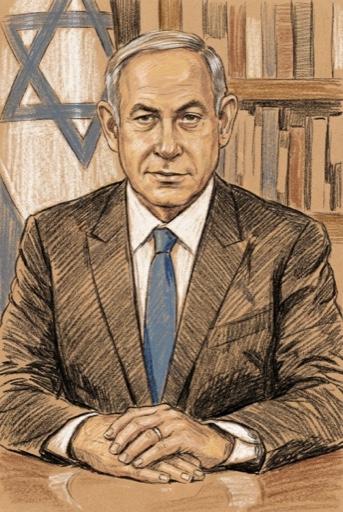 Netanyahu
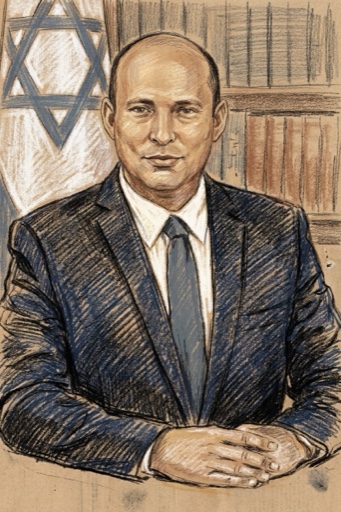 Bennett
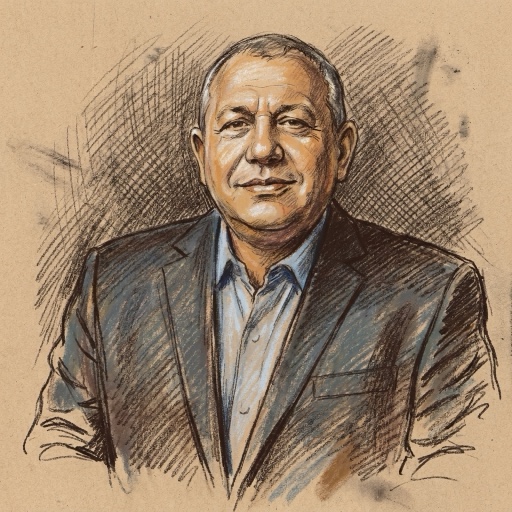 Eisenkot